What to Know Before Buying a Cat Bed
Cats sleep up to 16 hours a day, and where they choose to sleep says a lot about what makes them comfortable. A cat bed that matches your cat’s sleeping style—curled, stretched out, or partially enclosed—is far more likely to be used than one you choose based on appearance alone. Material, size, warmth, and ease of washing are the practical factors that determine whether a cat bed becomes a daily favorite or gets ignored. Understanding what drives your cat’s sleeping preferences before buying saves money and avoids the common experience of finding the cat asleep on the couch next to an unused bed.
Sleeping Style and Bed Shape
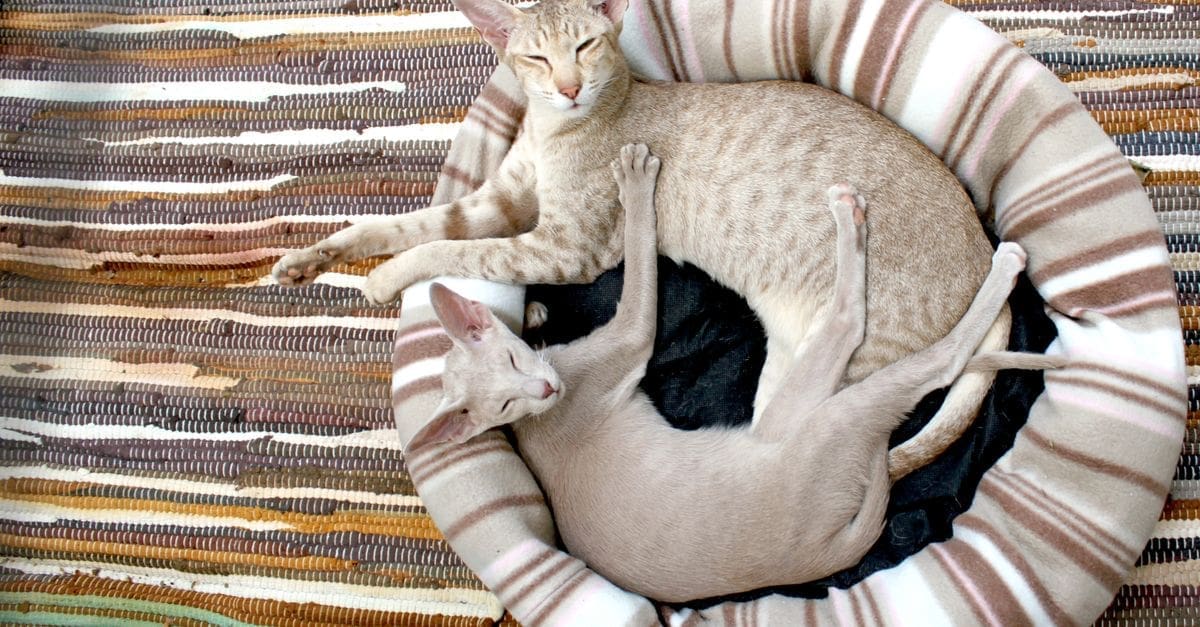
Cats that curl into tight balls tend to prefer donut-style or cupped beds with raised edges they can rest their head and back against. Cats that stretch out fully are better suited to flat mats or large rectangular beds without walls. Cats that like to hide or feel enclosed often prefer cave-style or hooded beds that create a sense of shelter.
Observe where your cat sleeps naturally before buying. A cat that gravitates toward your lap prefers soft, warm surfaces. One that sleeps on hard floors or cold surfaces may prefer a cooling mat over a plush bed. Buying a bed that matches observed behavior is the most reliable way to predict whether your cat will use it.
Size and Fit
A cat bed should be large enough for your cat to stretch out fully or turn around in comfortably, whichever position it uses most. Measure your cat from nose to tail base when stretched, and add a few inches of margin. Oversized beds are usually acceptable, but a bed that’s too small may be avoided entirely.
For kittens, buying a bed they’ll grow into is practical. However, a very large bed may feel insecure to a small cat that prefers feeling enclosed. Consider a medium bed that offers some containment while still fitting an adult cat comfortably.
Materials and Warmth
Fleece and sherpa are popular filling and cover materials because they’re soft, warm, and lightweight. Self-warming beds don’t plug in—they use a layer of Mylar-like material that reflects the cat’s own body heat back. Heated electric cat beds plug into an outlet and maintain a set temperature, which is useful for older cats, cats with arthritis, or in cold climates.
Memory foam cat beds provide orthopedic support and are well-suited for senior cats with joint pain. The foam conforms to the cat’s body and reduces pressure points. Look for memory foam beds with removable, washable covers, since foam itself cannot be machine washed.
Anti-Anxiety and Calming Features
Calming or anti-anxiety cat beds use a raised donut rim and a soft plush interior that mimics the feeling of snuggling against another animal. These designs are marketed as reducing anxiety in cats that are prone to stress, particularly in multi-pet households or during noisy periods. The soft rim doubles as a head rest that many cats find comforting.
Some cats are comforted by beds with a slight scent of their owner. Placing a worn t-shirt in or near the bed for a few days before introducing it can make a new bed more appealing. This approach costs nothing and significantly increases initial adoption rate.
Washability and Hygiene
Cat beds collect fur, dander, and skin oils quickly. A bed that isn’t easy to clean becomes a hygiene problem that some cats may eventually avoid. Look for beds with fully removable covers that are machine washable and dryer-safe. Beds that are labeled hand-wash or dry-clean only require more effort to maintain.
Some beds have removable cushion inserts and outer shells that wash separately. This is practical for beds with thick memory foam inserts that would be damaged by machine washing. Checking the care label before buying prevents discovering a difficult cleaning process after purchase.
What to Check Before You Buy
- Observe where your cat currently sleeps to determine preferred style and surface
- Measure your cat’s nose-to-tail length to find the right bed size
- Decide between a donut, cave, flat mat, or heated bed based on your cat’s preferences
- Confirm the bed has a removable, machine-washable cover
- Choose between self-warming, electric heated, or unheated based on your climate and cat’s age
- Check for memory foam options if your cat is a senior with joint issues
- Look for a raised rim if your cat likes to rest its head against a surface
How to Choose a Cat Bed
Start with your cat’s existing sleeping behavior and work from there.
- Watch where and how your cat sleeps for a few days before shopping
- Determine the shape—donut, cave, flat mat, or bolster—that matches your cat’s posture
- Measure your cat’s stretched length to confirm the bed size is large enough
- Decide whether you need a heated or self-warming option based on temperature and your cat’s age
- Check the care label to confirm the cover is machine washable
- Place the bed where your cat already sleeps to increase initial adoption
Ready to shop? Browse our full list of Cat Beds to compare top-rated options.