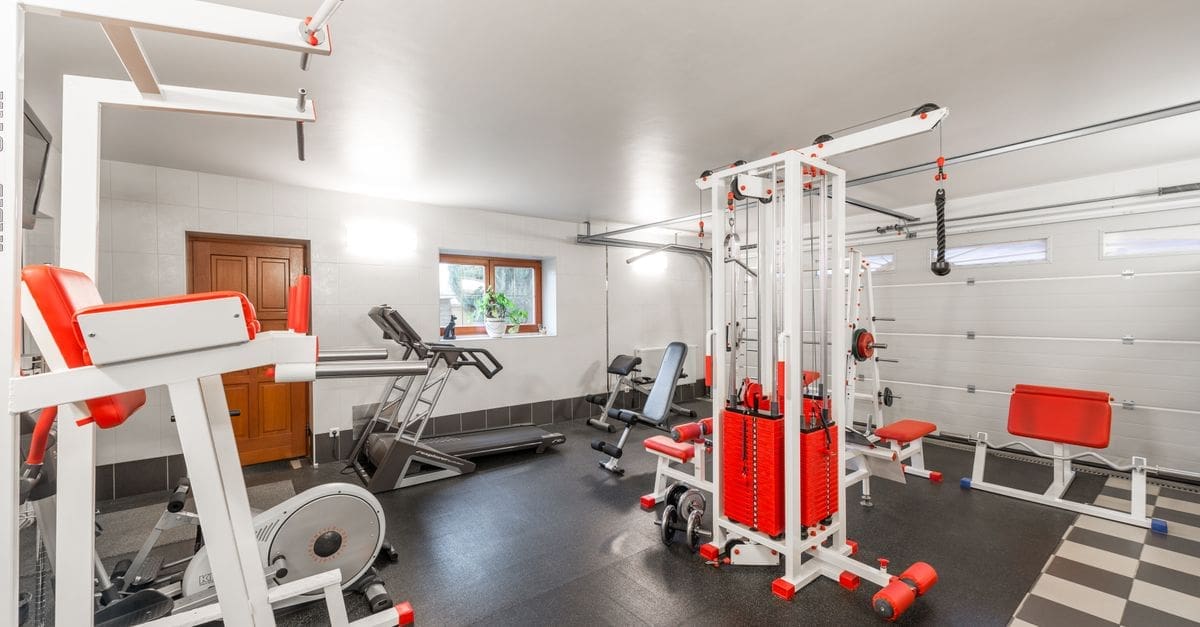
What to Look for in a Home Gym System
A home gym system is chosen by its resistance type, exercise range, and footprint, because those decide what workouts you can do and whether it fits your space. Weight-stack, cable, and functional trainers each suit different goals. Build quality and adjustability shape safety and longevity. Deciding whether you want full-body strength training, compact convenience, or specific movements points you toward the machine type that fits.
Resistance Type
Weight-stack systems use selectable plates for smooth, consistent resistance and quick adjustment, making them a durable core for strength training. They are heavier and larger but offer a familiar gym feel.
Some systems use resistance rods, bands, or hydraulics to save space and weight, trading the feel of iron for a smaller footprint. Cable and functional trainers emphasize free movement. Choose the resistance type that matches your training style and available space.
Exercise Range and Versatility
The value of a home gym is how many exercises it supports from one station. A versatile system covers presses, rows, pulldowns, curls, and leg work, replacing several separate machines.
Check the included attachments and the movements the frame allows, since a limited machine leaves gaps in a full-body routine. Match the exercise range to your goals, whether general fitness or targeted muscle groups, so the system covers what you actually train.
Footprint and Space
Home gyms vary from compact single stations to large multi-station frames, and the footprint plus clearance around it determines whether it fits your room. Measure the space including room to move during exercises.
Some systems fold or store compactly for small homes, while others are permanent fixtures. Consider ceiling height for overhead movements and pulldowns, since a low ceiling limits certain exercises. Plan the layout before buying a large frame.
Weight Capacity and Resistance Range
The maximum resistance should challenge you now and leave room to progress, so check the top of the weight stack or resistance range. A ceiling too low stalls strength gains over time.
The frame’s user weight capacity matters for safety, especially for larger users or dynamic movements. Confirm both the resistance range and the structural rating suit you, since outgrowing a machine quickly wastes the investment.
Build Quality and Safety
A sturdy steel frame, quality cables, and smooth pulleys determine both safety and how the system feels in use. Flimsy frames wobble and wear, while quality construction lasts for years of loading.
Safety features like secure pin selectors, stable bases, and proper cable routing prevent accidents. Look for solid welds and a reputable maker, since a home gym bears significant loads and must stay reliable through heavy use.
Assembly, Adjustability, and Warranty
Home gyms often require substantial assembly, so consider the complexity and whether you can install it yourself. Adjustable seats, benches, and pulley heights let different users and exercises fit comfortably.
A strong warranty on the frame and moving parts reflects durability and protects a large purchase. Weigh assembly effort against adjustability and warranty, since a well-supported, adaptable system serves a household better over the long term.
What to Check Before You Buy
- Choose a resistance type that matches your training style and space.
- Confirm the exercise range covers your full-body or targeted goals.
- Measure the footprint plus clearance and ceiling height for movements.
- Check the maximum resistance leaves room to progress.
- Verify the frame’s user weight capacity suits you.
- Look for a sturdy steel frame with quality cables and pulleys.
- Confirm safety features like secure selectors and a stable base.
- Weigh assembly complexity, adjustability, and the warranty.
How to Choose a Home Gym System
Matching the machine to your goals and space keeps the choice practical.
- Define your training goals, from full-body strength to specific movements.
- Choose a resistance type suited to those goals and your space.
- Confirm the exercise range and attachments cover your routine.
- Measure your room, including clearance and ceiling height.
- Check the resistance range and frame weight capacity for progression.
- Verify build quality and safety, then confirm assembly and warranty terms.
Ready to shop? Browse our full list of Home Gym Systems to compare current options and prices.