Propane Fire Pit Buying Guide: BTU, Burner Style and Safety
Flipping a switch for an instant flame, with no smoke in your eyes and no ash to clean up, is the big draw of gas-fueled fire features. These units deliver ambiance and some warmth with far less fuss than wood, and many campgrounds and HOAs allow them when wood burning is restricted. Output, burner design, tank storage and table size all affect how they look and perform. Here is how to compare models.
BTU Output and Heat Expectations
Propane fire pits typically range from about 30,000 to 65,000 BTU. Higher output creates a taller flame and more radiant warmth, but gas fire pits still produce noticeably less heat than a wood fire of similar size.
If warmth matters most, look for output above 50,000 BTU and seating that sits close to the flame. Adjustable control knobs let you dial back for ambiance and save fuel.
Fire Table vs Standalone Bowl
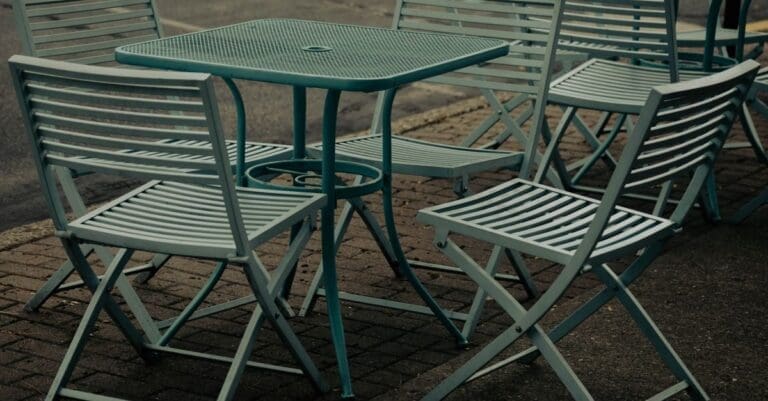
Fire tables combine a burner with a wide ledge for drinks and plates, and the base hides a 20 lb tank. They anchor a seating area and double as a coffee table.
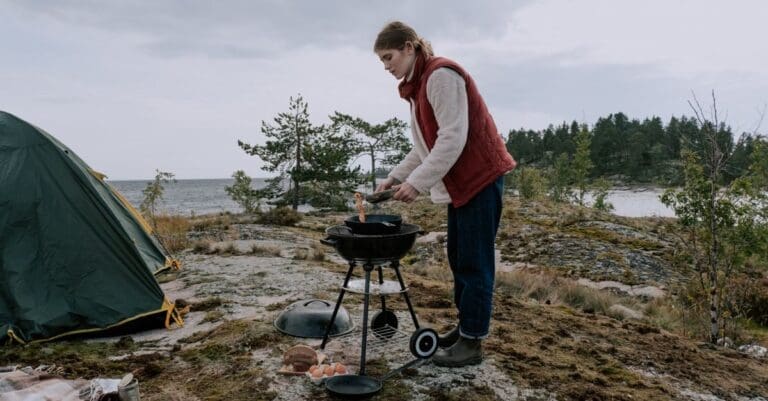
Standalone bowls and portable propane fire pits are smaller and lighter, connecting to a 1 lb cylinder or a hose to a separate tank. They work well for camping, tailgating and smaller patios.
Burner Shape and Media
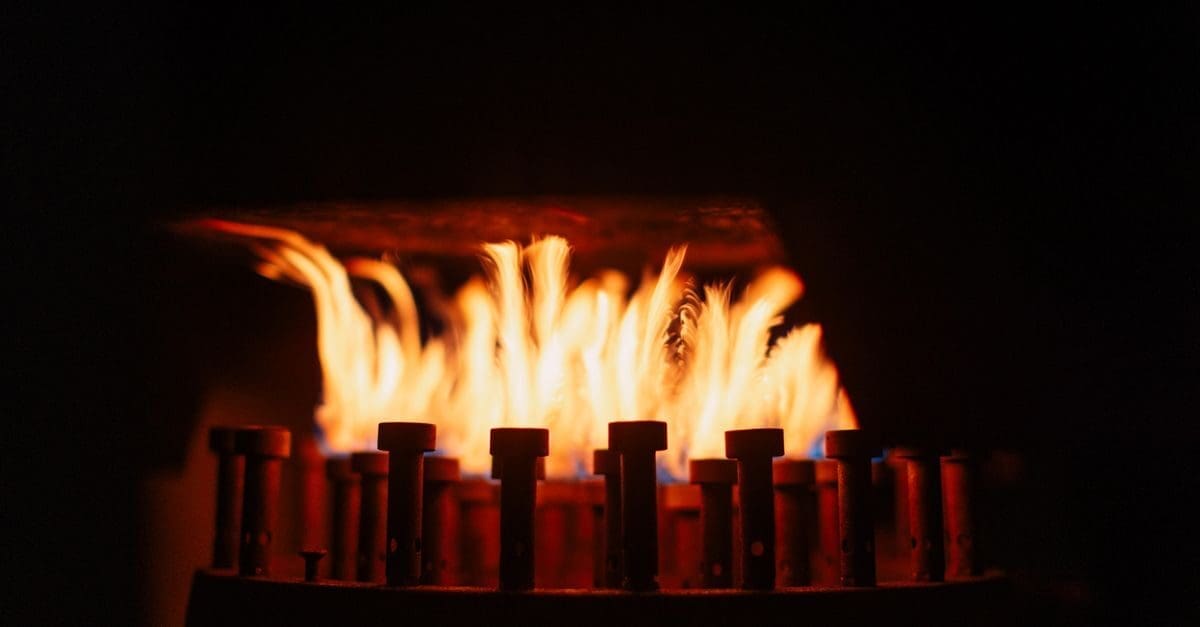
Burners come in round, square and linear shapes, and the shape sets the character of the flame. Linear burners spread a ribbon of fire across a long rectangular table, while round burners create a classic campfire ring that suits circular seating.
Lava rocks, fire glass and ceramic logs cover the burner and change the look of the flame. Fire glass reflects light and comes in many colors, while ceramic logs mimic a wood fire.
Ignition and Safety
Push-button piezo or battery-powered electronic ignition lights the burner without matches or a long lighter. A thermocouple safety valve senses the flame and shuts off gas if it blows out, which prevents unburned propane from pooling around the table.
Check the manufacturer clearance recommendations for overhead structures, umbrellas and nearby furniture before choosing a spot. Always use gas fire features in open, well-ventilated areas rather than enclosed porches or garages.
Materials and Weather Protection
Powder-coated steel and aluminum frames resist rust, while concrete and stone-look tops add weight and a permanent, built-in feel. Stainless steel burners and pans outlast painted ones, especially in humid or coastal climates.
A fitted cover or lid keeps rain and debris off the burner and media. Some tables include a lid that converts the fire area into a flat table surface.
What to Check Before You Buy
- Compare BTU output with how much warmth you expect from the flame.
- Decide between a fire table with hidden tank storage or a portable bowl.
- Choose a burner shape and media that match your outdoor style.
- Confirm electronic ignition and a thermocouple safety shutoff.
- Check clearance requirements for covered patios and pergolas.
- Look at frame and tabletop materials for rust resistance and durability.
- Make sure a cover or lid is included or available.
How to Choose a Propane Fire Pit
Use these steps to compare designs.
- Decide whether you need a permanent fire table or a portable unit.
- Pick a BTU range that suits your warmth expectations.
- Choose burner shape and decorative media.
- Confirm safety features and ignition type.
- Check frame materials and weather resistance.
- Measure your space and clearance requirements.
Ready to shop? Browse our full list of Propane Fire Pits to compare current options and prices.