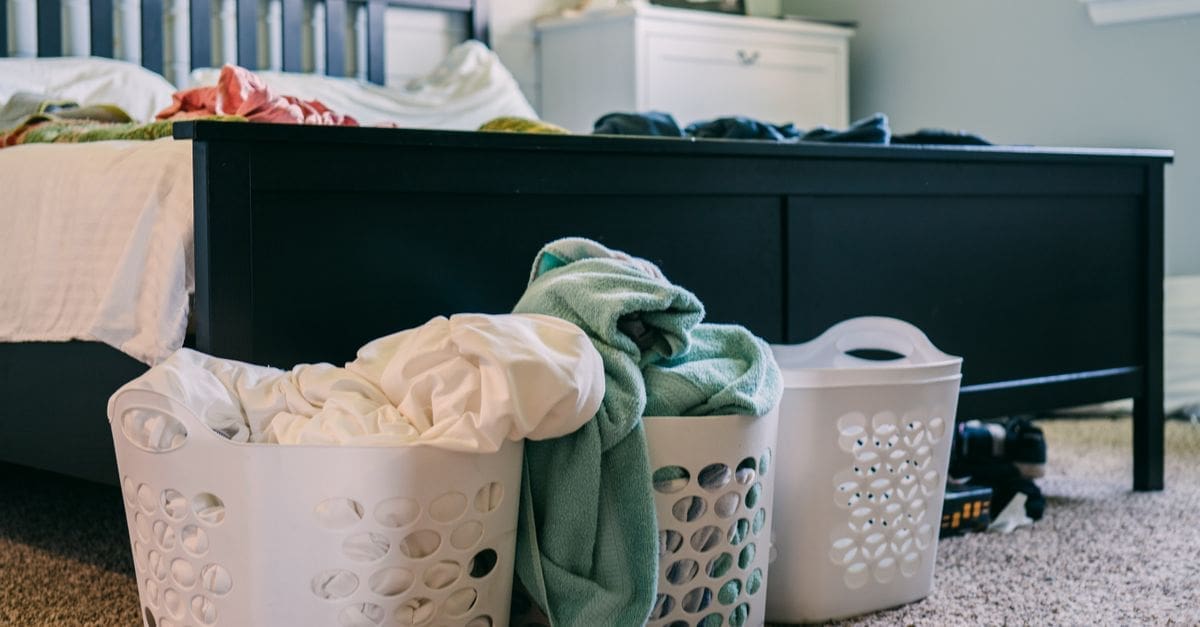
What to Look for in a Laundry Hamper
Capacity and how well air moves through a hamper decide whether laundry stays contained and fresh or turns musty. The material, whether it has a lid, and portability shape daily use and appearance. Structure and cleaning affect how long a hamper lasts. Matching the size and design to your household and space keeps dirty laundry tidy and easy to carry.
Capacity and Household Size
Hamper capacity sets how long you can go between wash days, so a larger hamper suits a busy household. An undersized hamper overflows quickly, while an oversized one wastes space in a small room.
Consider how many people share the hamper and how often you do laundry. Matching the volume to your routine keeps clothes contained rather than piling on the floor.
Ventilation and Odor Control
Breathable materials like mesh, rattan, or slatted designs let air circulate so damp clothes do not sour. A sealed plastic bin traps moisture and odor, especially with gym or towel loads.
Some hampers add a removable, washable liner that contains mess while still allowing airflow through the frame. Ventilation matters most if clothes sit for days before washing.
Material and Durability
Fabric hampers are light and collapsible, wicker and rattan add a natural look, and plastic or metal resist moisture and wear. The material shapes both durability and how the hamper suits the room.
A sturdy frame holds its shape when full, while flimsy collapsible bins sag and tip. Consider where the hamper lives, since a bathroom needs more moisture resistance than a bedroom.
Lids and Appearance
A lid hides laundry and contains odor, suiting hampers kept in living areas or shared spaces. Open designs are easier to toss clothes into but leave the contents visible.
The look matters when the hamper sits in view, so finishes range from woven to sleek. Think about whether concealment or easy access matters more for where you keep it.
Portability and Handles
Sturdy handles or a removable liner bag let you carry a full load to the machine without spilling. A hamper that cannot be moved easily makes laundry day harder.
Wheels on larger hampers help move heavy loads, while a light collapsible bag suits carrying upstairs. Consider the trip from hamper to washer when judging portability.
Sorting and Compartments
Some hampers split into sections for lights and darks, which saves sorting later. A divided design suits those who separate laundry before washing.
A single large compartment is simpler and holds more of one type. Think about whether you sort as you go or all at once, since that guides the compartment layout.
What to Check Before You Buy
- Match the capacity to your household size and wash frequency.
- Prefer breathable materials so damp clothes do not sour.
- Choose a durable frame that holds shape when full.
- Decide whether a lid for concealment and odor control matters.
- Confirm sturdy handles or a liner for carrying loads.
- Consider wheels for larger, heavier hampers.
- Decide between a single compartment and sorting sections.
- Check moisture resistance if the hamper lives in a bathroom.
How to Choose a Laundry Hamper
Start with your household and where the hamper lives, then weigh capacity, ventilation, and material against portability.
- Match the capacity to how many people and how often you wash.
- Choose a breathable material to keep clothes fresh.
- Pick a durable frame and finish suited to the room.
- Decide whether you want a lid for concealment.
- Confirm handles or a liner make carrying easy.
- Choose single or divided compartments based on how you sort.
Ready to shop? Browse our full list of Laundry Hampers to compare current options and prices.