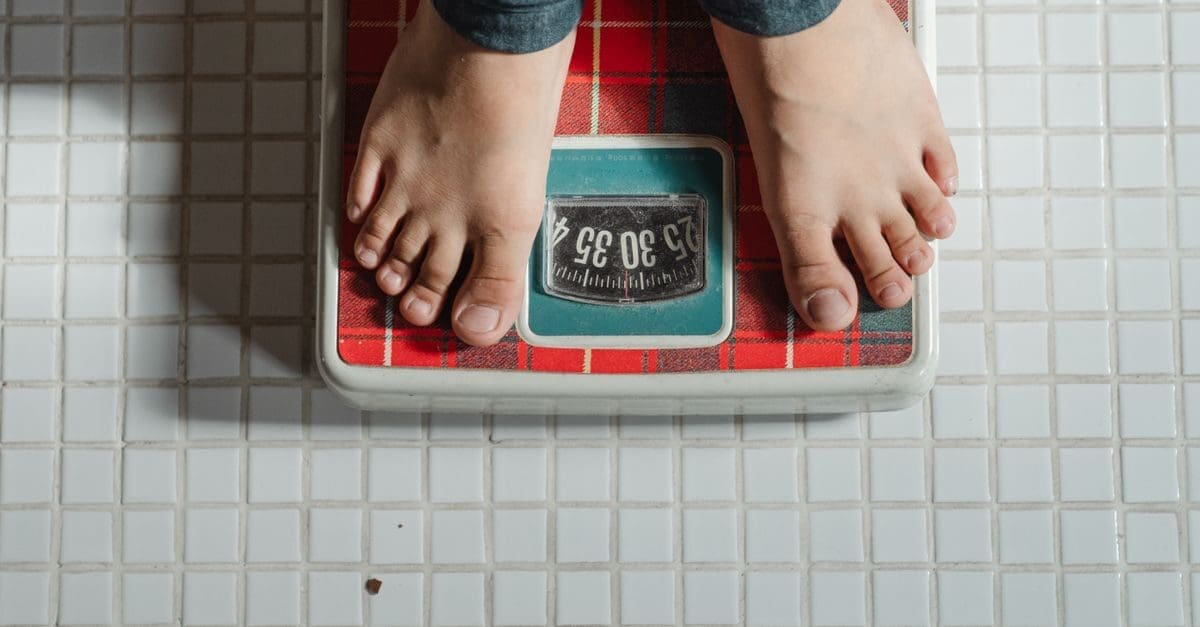
What to Know Before Buying a Bathroom Scale
Measurement accuracy and repeatability matter more than the number of metrics displayed, since a scale that reads differently on consecutive steps tells you nothing useful. Platform size and surface determine safe, stable use, particularly on tile. Body composition estimates come with real caveats worth understanding. Connectivity and app quality decide whether tracking over time is convenient or a chore.
Accuracy, Resolution, and Repeatability
Resolution of 0.2 pounds or 0.1 kilograms is standard, but resolution is not accuracy. What matters is whether stepping on twice in a row gives the same reading.
Load cells beneath each corner should be calibrated together, and cheaper scales drift when moved. Testing repeatability with a known weight is the simplest way to judge a scale in daily use.
Platform Size, Surface, and Stability
A larger platform suits bigger feet and gives a more stable stance, which improves reading consistency. Small platforms force an awkward position that changes weight distribution.
Tempered glass is easy to clean but slippery when wet, so look for a textured surface or grip pads. Scales used straight out of a shower need that texture more than most people expect.
Body Composition Metrics and Their Limits
Bioelectrical impedance sends a small current through the feet to estimate body fat, and it only measures the lower body path. Hydration, recent exercise, and time of day all shift the result substantially.
These figures are more useful as a trend than as an absolute number. Measuring at the same time each day under similar conditions makes the trend meaningful even if the absolute accuracy is limited.
Weight Capacity and Load Cells
Standard scales top out around 400 pounds, with heavy-duty versions going considerably higher. Operating near the maximum reduces accuracy, so leave margin.
Four load cells distribute measurement better than a single central sensor, which is common in very cheap scales. That distribution is why reading consistency improves on better-built units.
Connectivity, Apps, and Data
Bluetooth scales sync when the app is open, while wi-fi models upload automatically without the phone present. The latter suits households where multiple people weigh themselves at different times.
Check what happens to your data, including whether the app requires an account and whether export is possible. Some ecosystems lock history behind a subscription, which is worth knowing before you build up years of readings.
Multi-User Support and Placement
Automatic user recognition assigns readings to the right profile based on weight range, which works until two household members are close in weight. Manual selection avoids that confusion entirely.
Placement affects accuracy more than most people realize. A hard, level floor gives consistent readings, while carpet compresses unevenly and skews the load cells.
What to Check Before You Buy
- Test repeatability by stepping on twice in a row.
- Choose a platform large enough for a stable, natural stance.
- Look for a textured surface or grip pads for wet feet.
- Treat body composition figures as trends, not absolutes.
- Leave margin between your weight and the rated capacity.
- Prefer four load cells over a single central sensor.
- Decide between Bluetooth syncing and automatic wi-fi upload.
- Check whether data export is available without a subscription.
How to Choose a Bathroom Scale
Decide what you will actually track, because a simple accurate scale beats a feature-rich one you stop trusting.
- Decide whether you need weight alone or composition estimates.
- Check the platform size suits your stance and foot size.
- Confirm the capacity leaves margin above your weight.
- Choose a connectivity method that matches your household.
- Review the app’s data ownership and export options.
- Plan a hard, level placement spot away from carpet.
Ready to shop? Browse our full list of Bathroom Scales to compare current options and prices.