How to Choose a Face Toner for Your Skincare Routine
Face toners have evolved significantly from the astringent, alcohol-heavy formulas that were the standard for decades. Modern toners serve multiple distinct functions depending on their formulation — some complete the cleansing process, some deliver active ingredients to freshly cleansed skin, and some provide the first layer of hydration in a routine. The confusion about toners comes from the category encompassing these very different product types under one name. Knowing what you actually want a toner to do makes choosing one straightforward.
What Toners Actually Do
Traditional toners used high-alcohol formulas to remove residual traces of makeup and cleanser, and to temporarily tighten pores. The alcohol content also stripped the skin’s natural oils — a side effect that was marketed as refreshing. These formulas are largely outdated for daily use, though some still exist in the market.
Modern toners function more like a lightweight essence or serum. They can remove residual cleanser traces (particularly useful if your cleanser doesn’t rinse completely clean), prep the skin’s surface for better absorption of subsequent products, deliver hydrating or active ingredients, and adjust the skin’s surface pH after cleansing. The function you want determines the formulation to look for.
Hydrating Toners
Hydrating toners use humectants — glycerin, hyaluronic acid, panthenol, sodium PCA — to add a layer of moisture to cleansed skin before other products. They work as the first hydration step in a multi-step routine, allowing subsequent serums and moisturizers to absorb into already-hydrated skin more effectively.
The 7-skin method (applying thin layers of hydrating toner repeatedly) is popular in Korean skincare for achieving deep layered hydration. This works because humectants build up in layers, attracting progressively more moisture. For dry or dehydrated skin, layered hydrating toner application is a practical and effective technique.
Exfoliating Toners
Exfoliating toners contain AHAs (glycolic, lactic, mandelic acid) or BHA (salicylic acid) at active concentrations and are applied as a leave-on liquid after cleansing. They exfoliate the skin surface, clear pores, improve texture, and fade hyperpigmentation over consistent use. These are covered in detail under exfoliating toners specifically — key points are acid type matching to skin concern, concentration appropriateness, and confirmed low pH.
Exfoliating toners should not be layered directly with other acids or active ingredients. Apply, allow to absorb for 20–30 minutes, then continue with hydrating serums and moisturizer. Avoid using exfoliating toners daily if skin shows any signs of over-exfoliation — redness, tightness, sensitivity, or shininess without moisturizer.
Essence Toners and pH Toners
Essence-weight toners are watery, lightweight, and quickly absorbed — they bridge the gap between cleanser and serum in a routine. Their primary function is surface prep and initial hydration rather than active treatment. They commonly include ferment filtrates, botanical extracts, and mild humectants for general skin health support.
pH-correcting toners are designed to rapidly restore skin’s natural acidic pH after cleansing with an alkaline formula. Their ingredient list is intentionally minimal — often just water, glycerin, and a buffering agent. They’re useful for those using clay or soap-based cleansers that significantly raise skin pH.
Ingredients to Look for and Avoid
Helpful: glycerin and hyaluronic acid for hydration, niacinamide for brightening and pore appearance, ceramides for barrier support, and panthenol for soothing. Witch hazel (hamamelis water) without alcohol is a mild astringent that’s acceptable for oily skin; witch hazel with denatured alcohol is drying and irritating for most.
Avoid: denatured alcohol (SD alcohol, isopropyl alcohol) as a primary ingredient in any toner for daily use — it temporarily mattifies but chronically dries and irritates the barrier. Fragrance in toners is a common irritant, particularly for any toner used on sensitive or compromised skin. Citrus and mint extracts in toners feel refreshing but can cause photosensitivity and irritation on sensitive skin.
Application Method
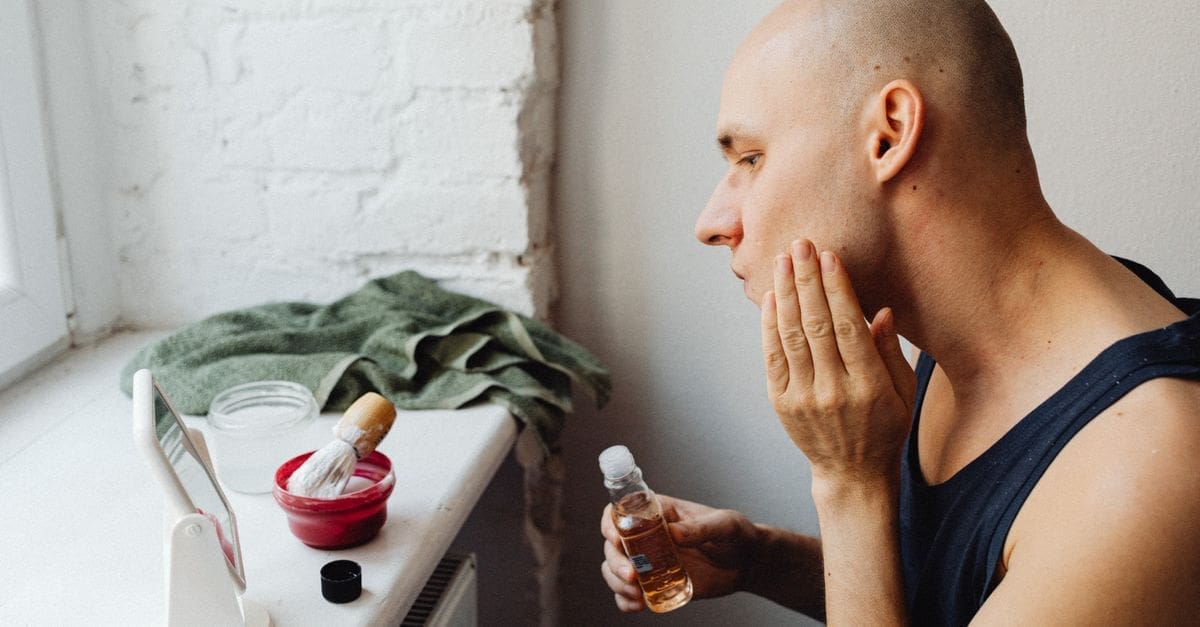
Cotton pad application removes residual debris from the skin’s surface and provides mild physical exfoliation — appropriate for toners that serve a cleansing-completion function. Hand application (pressing or patting the product into the skin) is gentler and wastes less product — appropriate for hydrating toners where you want the product to stay on the skin rather than absorb into cotton.
For exfoliating toners, either method works, but cotton pad provides more even distribution. For hydrating toners, hands are more efficient. Some toners specify an application method on the packaging — follow this guidance when provided.
What to Check Before You Buy
- Identify the function you want from a toner — hydration, exfoliation, or cleansing completion.
- Check for denatured alcohol as a primary ingredient and avoid for daily dry or sensitive skin use.
- Confirm fragrance-free if skin is sensitive.
- Look for glycerin and hyaluronic acid in hydrating toners.
- Check acid type and concentration in exfoliating toners against your skin’s tolerance.
- Verify pH in exfoliating toners is in the active range (3.5–4.5).
- Decide on application method — cotton pad for cleansing-completion, hands for hydrating layers.
- Avoid duplicate actives if you’re already using an exfoliating serum in your routine.
How to Choose a Face Toner
Matching toner type to its intended function in your routine makes the choice clear.
- Define what you want the toner to do — hydrate, exfoliate, or complete cleansing.
- Choose formulation type based on that function — humectant-rich for hydration, acid-based for exfoliation.
- Check alcohol content — avoid denatured alcohol as a primary ingredient for daily use.
- Confirm fragrance-free if skin sensitivity is a concern.
- For exfoliating toners, verify acid type matches your skin concern and concentration suits your tolerance.
- Select application method based on the toner’s function — cotton pad for cleansing, hands for hydration.
Ready to shop? Browse our full list of Face Toners to compare top-rated options.